


Senegal Poicephalus

Poicephalus senegalus

Also known as Senegal Poicephalus

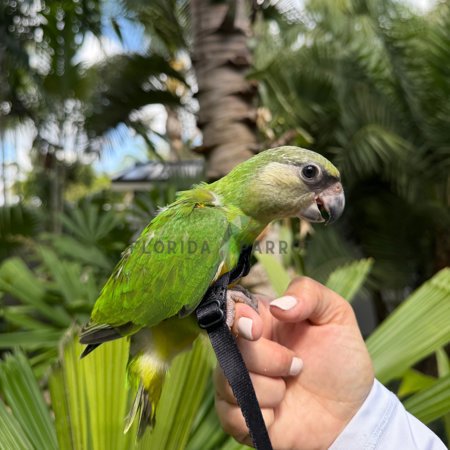
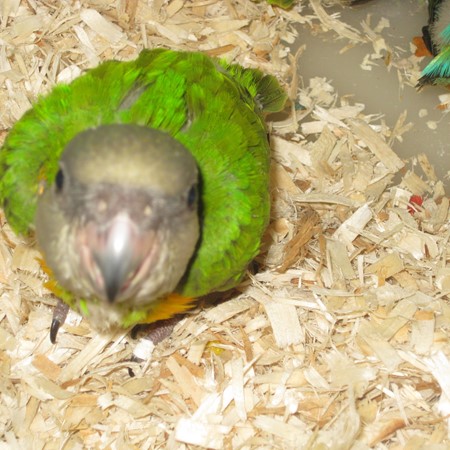
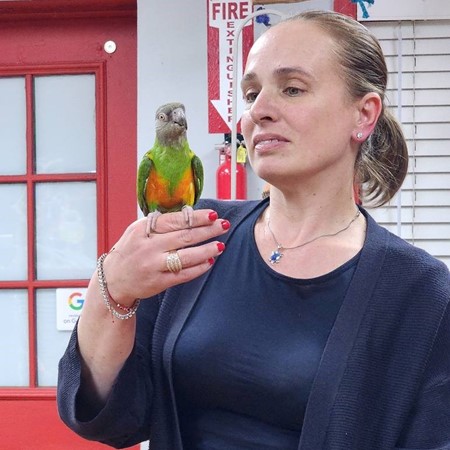
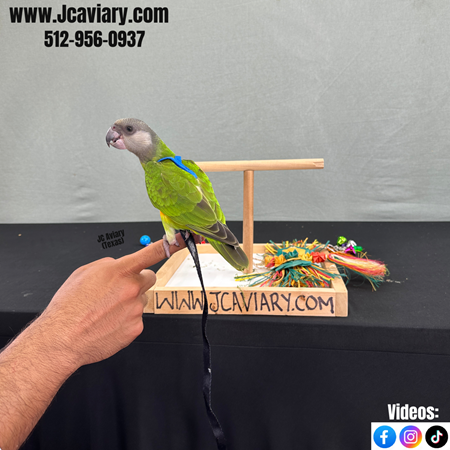
2 Senegal Poicephalus for sale now
With prices, photos and the breeders raising them.
See them
Photographed by the breeders who raised them, from listings on BirdBreeders.com. Birds still for sale link to their listing.
Senegal Poicephalus at a glance
Lifespan
25-30 years
Adult size
9.0-10.0 in
Weight
120-170 g
Minimum cage
24in x 24in x 30in
Bar spacing
5/8 - 3/4 in
Noise
Fairly quiet
Talking
Some speech
Dander
Low
Experience
Fairly easy
Origin
West Africa
Diet
A pelleted base with fresh vegetables and few seeds - Senegals put on weight easily. One of the quieter parrots of its size, which makes it a rare realistic choice for a flat.
Typical figures for the species, gathered from avian references. Individual birds vary.

The Senegal is one of the few real parrots - clever, long-lived, properly interactive - that somebody in a flat can keep without falling out with the neighbours. That is unusual enough to be the headline. They are quiet by parrot standards, they are small enough to house easily, and they live twenty-five to thirty years. The cost is that they tend to choose one person and mean it.

The quiet is real

Senegals chatter, whistle and make a sharp alarm call when startled, but they have nothing like the carrying scream of a conure, a macaw or a cockatoo. Plenty of people keep them in flats and shared buildings without complaint. If noise is the constraint that has ruled out every bird you liked, this is the species to look at.

The one-person streak

This is the honest cost. Senegals commonly pick a favourite and can become pointedly unfriendly to everybody else in the house, sometimes after a year or two of being fine with all of them. It is not inevitable and it is much reduced if several people handle the bird regularly from the start - but in a family where only one person is really interested, expect the bird to notice and act on it.

Adolescence is nippy

Between roughly six months and two years a Senegal will test its beak. Keepers who ride it out with consistent handling come out the other side with a steady adult bird. Keepers who stop handling because they got bitten end up with a bird that cannot be handled at all. It passes, and how it passes is mostly up to the owner.

Weight is worth watching

Senegals put on weight easily and are prone to fatty liver disease on a seed-heavy diet. A pelleted base with fresh vegetables and few seeds, and sunflower kept as an occasional treat rather than daily food.

What they are like

Watchful, self-possessed and surprisingly funny. Senegals are less needy than the cockatoos and less frantic than the conures - they will sit and observe a room for a long time and then do something deliberate and comic. They play well alone if given the toys, which makes them more workable for somebody with a job than most parrots this clever.

Talking

Some speech, usually a handful of words and a lot of whistles, in a small clear voice. Pleasant rather than impressive. Not the reason to buy one.

Buying one

Ask how many different people have handled the bird and how recently - it matters more with this species than almost any other. Ask when it weaned and what it eats. Around ninety breeders have listed Senegals here over the years, so you can look for one raised in a busy household rather than a quiet aviary. The breeders listed on this page raise Senegals and can be contacted directly through the site.

Common questions

How much does a Senegal Poicephalus cost?

Most Senegal Poicephalus listed on BirdBreeders.com in the last twelve months were priced between $2,000 and $2,400, with a midpoint around $2,400. That is drawn from 67 real listings by breeders on this site over that period, not an estimate. Price varies with age, hand-feeding, DNA sexing and the breeder's location.

How long do Senegal Poicephalus live?

Senegal Poicephalus typically live 25-30 years in good conditions. That is a long commitment for any household, and worth planning for before buying rather than after.

How loud are Senegal Poicephalus?

Fairly quiet. Noise is the most common reason parrots are rehomed, so it is worth being honest with yourself about your home, your neighbours and the hours you keep before choosing a species.

Do Senegal Poicephalus talk?

Some speech. No individual bird can be promised to speak, whatever the species is known for, so buy for the company rather than the conversation.

How big do Senegal Poicephalus get?

An adult is roughly 9.0-10.0 in from head to tail, weighing around 120-170 g.

What size cage does a Senegal Poicephalus need?

A minimum of 24in x 24in x 30in, and wider matters more than taller - birds fly across rather than up. Bar spacing should be 5/8 - 3/4 in. Treat any minimum as a floor rather than a target.

What do Senegal Poicephalus eat?

A pelleted base with fresh vegetables and few seeds - Senegals put on weight easily. One of the quieter parrots of its size, which makes it a rare realistic choice for a flat.

Are Senegal Poicephalus good for a first-time owner?

Fairly easy. Ask any breeder directly what they think of the match - a breeder who talks you out of a species is worth more than one who does not.

Do Senegal Poicephalus produce a lot of dust?

Low. It matters more than most people expect for anyone with asthma, and it is worth raising with a doctor before buying rather than afterwards.

Where do Senegal Poicephalus come from?

West Africa. Birds offered here are captive bred.


Prices, what the species has sold for over the years, and ratings from breeders who raise them are on the listings page.
Senegal Poicephalus listings
Not sure this is the right bird?
Six questions on room, noise, dust and how long a commitment you are making.
Which bird suits you?