

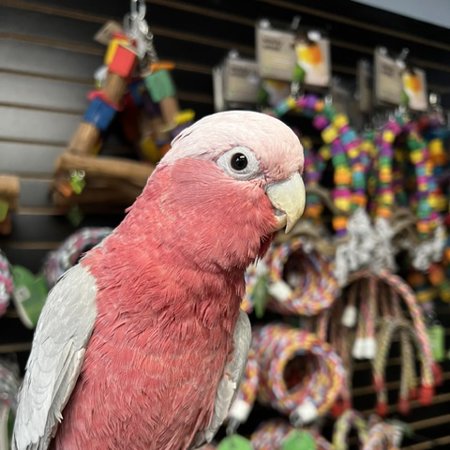
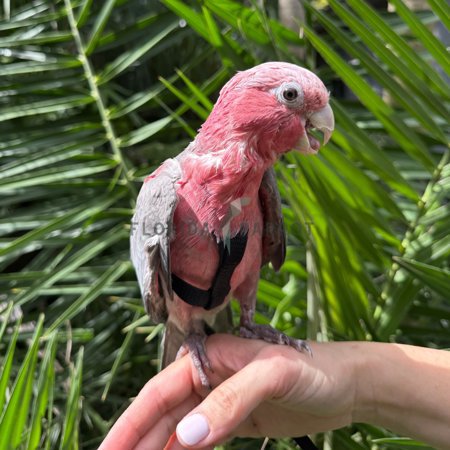
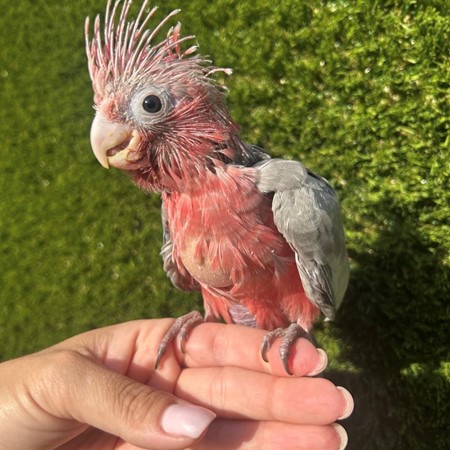
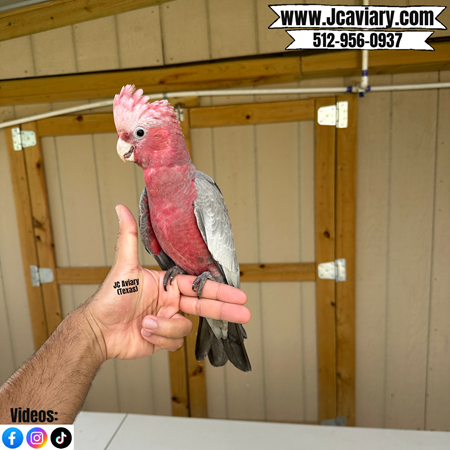
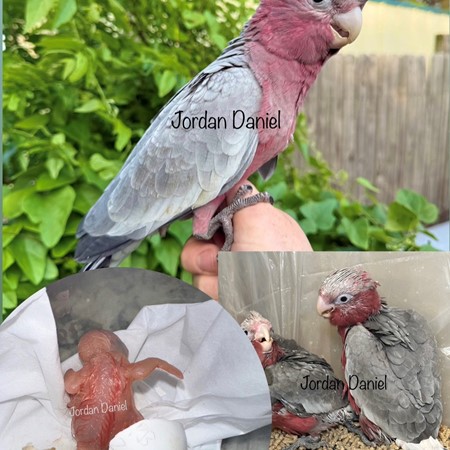
Rose Breasted Cockatoo

Eolophus roseicapilla

Also known as Rose Breasted Cockatoo

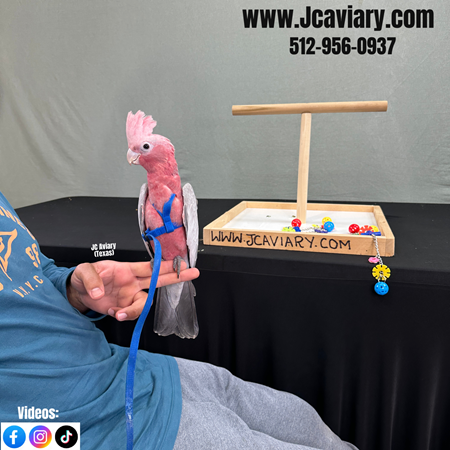
3 Rose Breasted Cockatoos for sale now
With prices, photos and the breeders raising them.
See them
Photographed by the breeders who raised them, from listings on BirdBreeders.com. Birds still for sale link to their listing.
Rose Breasted Cockatoo at a glance
Lifespan
40-70 years
Adult size
12.0-14.0 in
Weight
270-350 g
Minimum cage
36in x 24in x 48in
Bar spacing
3/4 - 1 in
Noise
Loud
Talking
Some speech
Dander
High
Experience
For experienced keepers
Origin
Australia, where they are widespread
Diet
Low fat and watched closely. Galahs are more prone to obesity and fatty tumours than almost any other parrot, so sunflower and peanuts are occasional rather than daily.
Typical figures for the species, gathered from avian references. Individual birds vary.

The Rose-breasted Cockatoo, known almost everywhere as the Galah, is the cockatoo that fits a normal house. They are quieter than the white cockatoos, less prone to the desperate attachment that gets Umbrellas rehomed, playful, and tough in temperament. There is one thing that goes wrong with them, it goes wrong slowly, and it is entirely preventable.

They get fat, and it kills them

Galahs are more prone to obesity and to fatty tumours than almost any other parrot. In the wild they eat grass seed and walk miles a day for it. In a house they are given sunflower and peanuts because the bird clearly enjoys them, and some years later there is a lump. A Galah needs a genuinely low fat diet: a pelleted base, plenty of fresh vegetables, and sunflower and nuts as rare treats rather than daily food. This is the single most useful thing to know about the species and most new owners are never told it.

They also need to move

The other half of the same problem. Galahs are ground feeders that cover distance, and a bird that sits on a perch all day is a bird putting on weight. Flight time, foraging toys that make it work for food, and something to climb do more for a Galah's health than any change of brand.

The noise

Loud, but not Umbrella loud. A Galah has a carrying screech it uses in bursts rather than the sustained scream of a white cockatoo, and plenty of people keep them in ordinary houses without difficulty. A terraced house with a sensitive neighbour is still a risk.

Powder down

They are cockatoos, so they produce powder. Less than a Moluccan, more than a conure. Anybody in the household with asthma or a dust allergy should treat this as a reason to look at a different species rather than a cleaning problem to solve.

Temperament

Galahs are confident, cheeky, and noticeably more independent than the white cockatoos - which is exactly why they suit more households. They play hard, they are good at entertaining themselves if given the means, and they are less likely to collapse emotionally when left alone for a working day. They talk a little, in a small gravelly voice, though speech is not the reason to buy one.

Forty to seventy years

Another parrot that will outlive the person who buys it. Make the arrangement and write it down.

Buying one

Ask what the bird is being fed and look at the bird's shape rather than taking the answer on trust - a Galah in good condition is trim, not round. Ask when it weaned and ask about disease testing. Nearly a hundred breeders have listed Galahs here, so there is no need to settle for the first one you find. The breeders listed on this page raise Rose-breasted Cockatoos and can be contacted directly through the site.

Common questions

How much does a Rose Breasted Cockatoo cost?

Most Rose Breasted Cockatoos listed on BirdBreeders.com in the last twelve months were priced between $3,500 and $4,800, with a midpoint around $3,800. That is drawn from 99 real listings by breeders on this site over that period, not an estimate. Price varies with age, hand-feeding, DNA sexing and the breeder's location.

How long do Rose Breasted Cockatoos live?

Rose Breasted Cockatoos typically live 40-70 years in good conditions. That is a long commitment for any household, and worth planning for before buying rather than after.

How loud are Rose Breasted Cockatoos?

Loud. Noise is the most common reason parrots are rehomed, so it is worth being honest with yourself about your home, your neighbours and the hours you keep before choosing a species.

Do Rose Breasted Cockatoos talk?

Some speech. No individual bird can be promised to speak, whatever the species is known for, so buy for the company rather than the conversation.

How big do Rose Breasted Cockatoos get?

An adult is roughly 12.0-14.0 in from head to tail, weighing around 270-350 g.

What size cage does a Rose Breasted Cockatoo need?

A minimum of 36in x 24in x 48in, and wider matters more than taller - birds fly across rather than up. Bar spacing should be 3/4 - 1 in. Treat any minimum as a floor rather than a target.

What do Rose Breasted Cockatoos eat?

Low fat and watched closely. Galahs are more prone to obesity and fatty tumours than almost any other parrot, so sunflower and peanuts are occasional rather than daily.

Are Rose Breasted Cockatoos good for a first-time owner?

For experienced keepers. Ask any breeder directly what they think of the match - a breeder who talks you out of a species is worth more than one who does not.

Do Rose Breasted Cockatoos produce a lot of dust?

High. It matters more than most people expect for anyone with asthma, and it is worth raising with a doctor before buying rather than afterwards.

Where do Rose Breasted Cockatoos come from?

Australia, where they are widespread. Birds offered here are captive bred.


Prices, what the species has sold for over the years, and ratings from breeders who raise them are on the listings page.
Rose Breasted Cockatoo listings
Not sure this is the right bird?
Six questions on room, noise, dust and how long a commitment you are making.
Which bird suits you?