

Canary
Serinus canaria domestica
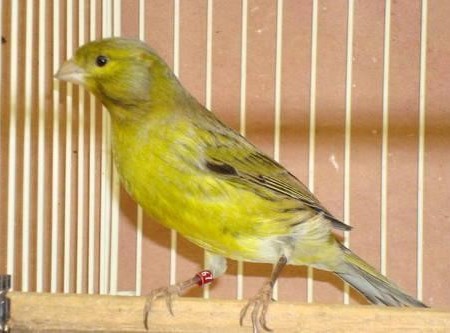
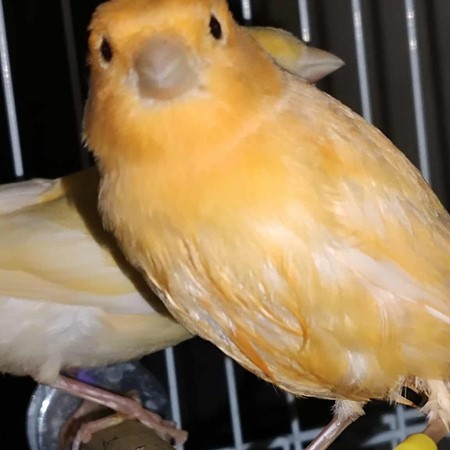
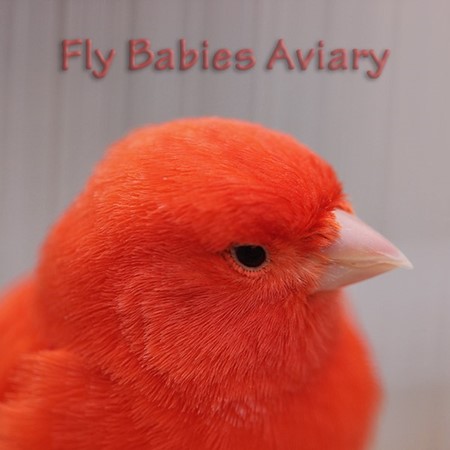
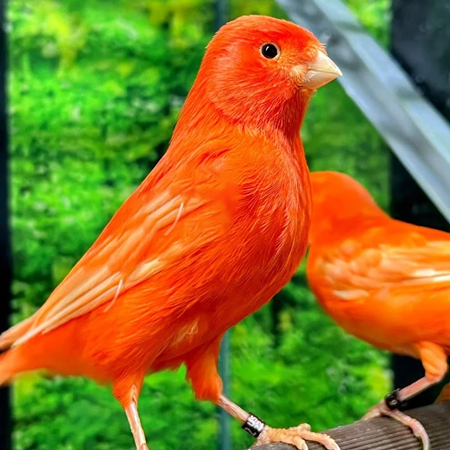
Common questions
How long do Canaries live?
Canaries typically live 10-15 years in good conditions. That is a long commitment for any household, and worth planning for before buying rather than after.
How loud are Canaries?
Fairly quiet. Noise is the most common reason parrots are rehomed, so it is worth being honest with yourself about your home, your neighbours and the hours you keep before choosing a species.
Do Canaries talk?
Rarely talks. No individual bird can be promised to speak, whatever the species is known for, so buy for the company rather than the conversation.
How big do Canaries get?
An adult is roughly 4.5-8.0 in from head to tail, weighing around 15-30 g.
What size cage does a Canary need?
A minimum of 30in x 18in x 18in, and wider matters more than taller - birds fly across rather than up. Bar spacing should be 3/8 - 1/2 in. Treat any minimum as a floor rather than a target.
What do Canaries eat?
A quality canary seed mix with pellets, fresh greens, and egg food while breeding or moulting. Length of cage matters more than height - they fly across rather than climb.
Are Canaries good for a first-time owner?
Suits a first bird. Ask any breeder directly what they think of the match - a breeder who talks you out of a species is worth more than one who does not.
Do Canaries produce a lot of dust?
Low. It matters more than most people expect for anyone with asthma, and it is worth raising with a doctor before buying rather than afterwards.
Where do Canaries come from?
The Canary Islands, domesticated for centuries. Birds offered here are captive bred.