

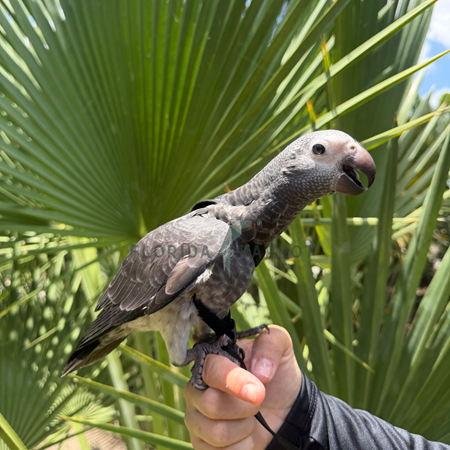
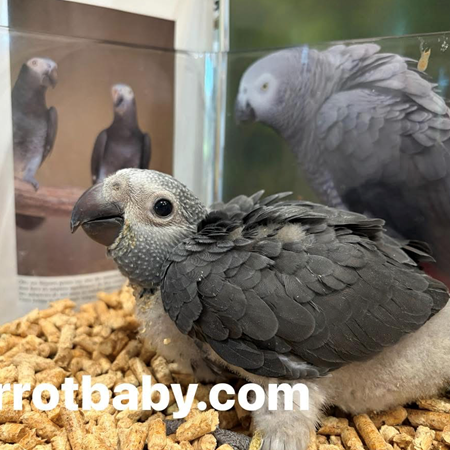
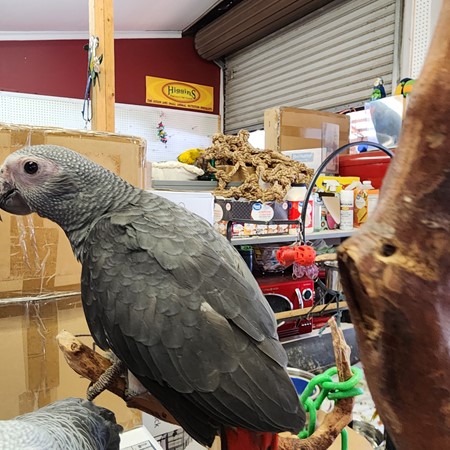
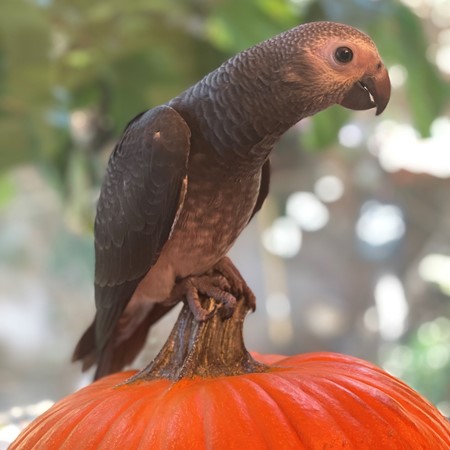
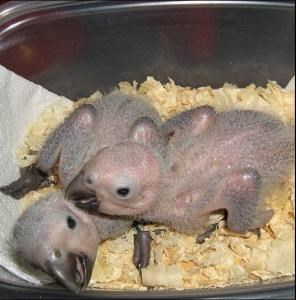
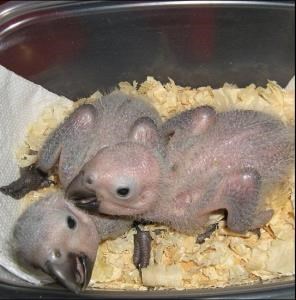
The Timneh is the other African Grey, and it spends its life being described as the smaller, darker, cheaper one. That framing does it no favours. A Timneh is a full African Grey - the same remarkable intelligence, the same capacity for speech - and a good many experienced keepers who have had both say the Timneh is the easier bird to live with.
Why somebody would choose a Timneh
Keepers who have kept both generally report that Timnehs are a little less nervous, a little less prone to the startle response that Congos are known for, and often quicker to settle into a new home. They also tend to start talking younger. None of that is a rule, and individual birds vary enormously - but if it is true in your case it matters far more day to day than the difference in size or colour.
Speech
Timnehs talk as well as Congos. Some keepers find the voice slightly less clear and slightly more gravelly; others find no difference at all. Either way, this is a bird that does not merely repeat but associates words with situations, and that is the thing that genuinely surprises first-time Grey owners.
Greys need occupation, not just company
The intelligence is also the problem. A bored Grey is the classic feather plucker, and plucking in this species is far easier to prevent than to reverse. Foraging toys that make the bird work for food, a changing environment, and time outside the cage are not enrichment extras here. They are husbandry.
Powder down and calcium
Greys produce fine powder and are a poor choice around asthma or dust allergy. They are also more prone than most parrots to low blood calcium, so diet matters: a pelleted base with dark leafy vegetables, and a conversation with an avian vet rather than guesswork about supplements.
They are sensitive to change
Greys notice everything and dislike surprises - new furniture, a different routine, somebody new in the house. It is worth introducing changes slowly and worth asking a breeder what the bird is used to. A Grey moved badly can take months to settle.
Living with one
Forty to sixty years. A large cage, several hours out of it, a proper diet, and a household that will still want a demanding parrot in thirty years. Arrange where the bird goes afterwards and write it down.
Buying one
Ask what foraging the bird is used to, ask when it weaned, and ask about disease testing. Ask whether it has met more than one person. The breeders listed on this page raise Timneh African Greys and can be contacted directly through the site.